Large Deck Planter Boxes: Answer These 3 Questions Before You Buy
Heads up: GardenVerdict earns a small affiliate commission on purchases made through links in this article — at no extra cost to you.
Note: Community discussion on large deck planter boxes is surprisingly thin online. This guide is based on category knowledge and product research rather than aggregated Reddit or YouTube sourcing. Specific claims — deck load ratings, material lifespans, price ranges — should be verified before acting on them.
It’s 9am on a Saturday and you’re standing in the garden center staring at a wall of planter boxes, price tags ranging from $35 to $420. They’re all technically “large outdoor planters.” The difference? Everything.
Wood rots. Cheap plastic cracks. Fiberglass costs a fortune but lasts decades. And that gorgeous concrete-look planter you love? It might weigh 80 pounds empty — which matters a lot if your deck has load limits or you ever want to move it.
This isn’t a “just buy the top-rated one on Amazon” category. The right planter box depends almost entirely on your specific situation. Here are the three questions that actually determine which one you should buy.
Question 1: Does Weight Matter?
Before anything else, think about where this is going and whether it needs to move.
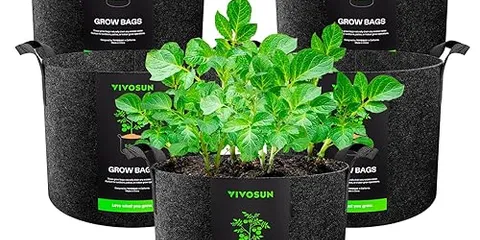
If you have a rooftop deck, elevated deck, or apartment balcony: Weight is your primary constraint. Most residential decks are rated for 40–60 lbs per square foot, but once you add wet soil, the planter itself, and the plants, a single large box can push 200+ lbs. Fabric smart pots and lightweight resin planters are your friends here.
If you have a ground-level patio and never plan to move it: Weight is irrelevant. Go with whatever material you like — cedar, galvanized metal, fiberglass, concrete-look.
If you want flexibility to rearrange seasonally: Look for resin or fiberglass with drainage plugs and handles, or consider fabric planters with rolled-down sides for off-season storage.
Question 2: How Long Do You Want It to Last?
This maps directly to material choice.
Cedar & Wood — Best Aesthetic, Most Maintenance
Cedar is the classic choice for a reason: it’s naturally rot-resistant, smells great, and looks genuinely handsome on a wood deck. Greenes Fence makes solid cedar kits you assemble yourself and can expand with stackable tiers. Unfinished cedar ages to a silver-gray if you let it, or you can stain it to match your deck.
The catch: even cedar eventually fails, especially at the joints and base. Expect 5–10 years depending on your climate and whether the bottom drains properly. Lining the interior with landscape fabric extends life significantly.
Best for: Traditional or farmhouse aesthetics, gardeners who don’t mind annual maintenance, ground-level patios.
Not great for: Damp climates with standing water, anyone who wants zero upkeep.
Resin — Lightweight, Durable, Underrated
Modern resin planters aren’t the flimsy plastic pots of 20 years ago. Keter’s larger models use double-wall construction that insulates roots, handles UV without fading badly, and weighs a fraction of what wood or fiberglass does. They’re also genuinely frost-resistant, which cedar is not.
The trade-off is aesthetic — they look like what they are. On a sleek modern deck, a good resin planter pulls it off. On a classic cedar deck, it can look out of place.
Best for: Weight-sensitive decks, freeze-thaw climates, renters who need to take planters with them.
Not great for: Traditional aesthetics, anyone who finds the plastic look cheap.
Fiberglass — The Long Game
Fiberglass planters from brands like Veradek and Crescent Garden are the premium choice if you want something that looks like concrete, stone, or metal but weighs a third as much. UV-stabilized, frost-resistant, and realistically built to last 20+ years. Root systems don’t overheat in summer sun the way dark plastic does.
They’re expensive — a large Veradek box typically runs $150–$350 depending on size — but amortized over a decade, the math works out. Particularly popular for rooftop gardens and high-end patio renovations.
Best for: Rooftop and elevated decks, modern or contemporary aesthetics, buyers who want buy-once permanence.
Not great for: Anyone on a tight budget, or anyone who wants a natural wood look.
Galvanized Metal — The Aesthetic Statement
Galvanized steel trough planters look genuinely beautiful, drain extremely well, and the metal naturally develops a patina that improves with age. A 4-foot galvanized trough on a dark-stained deck is a striking combination.
The practical downsides are real. Metal heats up fast in direct sun, which can stress root systems. Large galvanized troughs can weigh 25–40 lbs empty. And they will eventually rust at the drainage holes if not properly treated — line the interior, drill drainage holes carefully, and check the bottom annually.
Best for: Gardeners who prioritize aesthetics, full-sun patios with heat-tolerant plants, ground-level installations.
Not great for: Decks with weight concerns, shade-loving plants that need insulated roots.
Question 3: Do You Actually Want to Water Things?
If the honest answer is “not really,” self-watering planters are worth serious consideration regardless of material. Crescent Garden makes several large self-watering resin planters with a reservoir at the base — fill a single port, and the soil wicks moisture as needed. On a busy week, this stretches watering from daily to every 5–7 days in summer.
Self-watering is particularly valuable in large planters because large volumes of soil dry unevenly — the surface looks moist while the bottom is parched. The reservoir system solves this elegantly.
One More Thing: Size Reality Check
“Large” planter boxes typically start at 24 inches long and 10–12 inches deep. For vegetables or deep-rooted herbs, go with at least 12 inches of soil depth — 16–18 is better for tomatoes, peppers, or anything with a serious taproot.
For deck planters specifically, wider and shallower often beats tall and narrow. A wide footprint distributes weight across more deck boards; a tall narrow planter concentrates it on fewer. A 36” × 14” × 12” planter filled with wet soil can exceed 150 lbs — spread that load over more surface area whenever you can.
Quick Decision Matrix
| Your Situation | Best Choice |
|---|---|
| Elevated deck, weight concerns | Lightweight resin (Keter) or fiberglass |
| Traditional wood deck, classic look | Cedar (Greenes Fence) |
| Modern patio, buy-once mindset | Fiberglass (Veradek) |
| Aesthetic maximalist, ground-level | Galvanized metal trough |
| Busy, irregular waterer | Self-watering resin (Crescent Garden) |
| Budget-focused | Resin, or DIY cedar from lumber |
If You Read Nothing Else
Most people buying a large deck planter will be well-served by a Keter resin planter if budget and weight matter, or a Greenes Fence cedar kit if they want the classic look and don’t mind some annual attention. Go fiberglass if you’re doing a serious patio renovation and want it looking sharp a decade from now.
Drill drainage holes before you fill with soil, add landscape fabric at the base to prevent soil loss, and if it’s going on an elevated deck, do a rough weight calculation before you commit. The plants will thank you either way.